Bienvenidos a nuestro sitio web
Dirección
Calle 28A #12-30 centro comercial premier (jumbo) local j1022 Girardot Cund.
Horarios de oficina
Lunes a viernes: 7:00AM - 5:30 PM
Sábado: 8:00AM - 12:00PM
Dirección
Calle 28A #12-30 centro comercial premier (jumbo) local j1022 Girardot Cund.
Horarios de oficina
Lunes a viernes: 7:00AM - 5:30 PM
Sábado: 8:00AM - 12:00PM

The psychology behind casino gambling is a complex interplay of thrill, risk, and reward. For many, stepping into a casino environment invokes a rush of adrenaline, stimulating the brain’s reward system. This excitement can create a compelling desire to continue playing, as the anticipation of a win can overshadow the reality of potential losses. The ambiance of casinos, with their bright lights and enticing sounds, further enhances this experience, making it a perfect breeding ground for addictive behavior. In addition, exploring options like bitcoin sportsbooks can potentially provide new avenues for bettors seeking excitement.
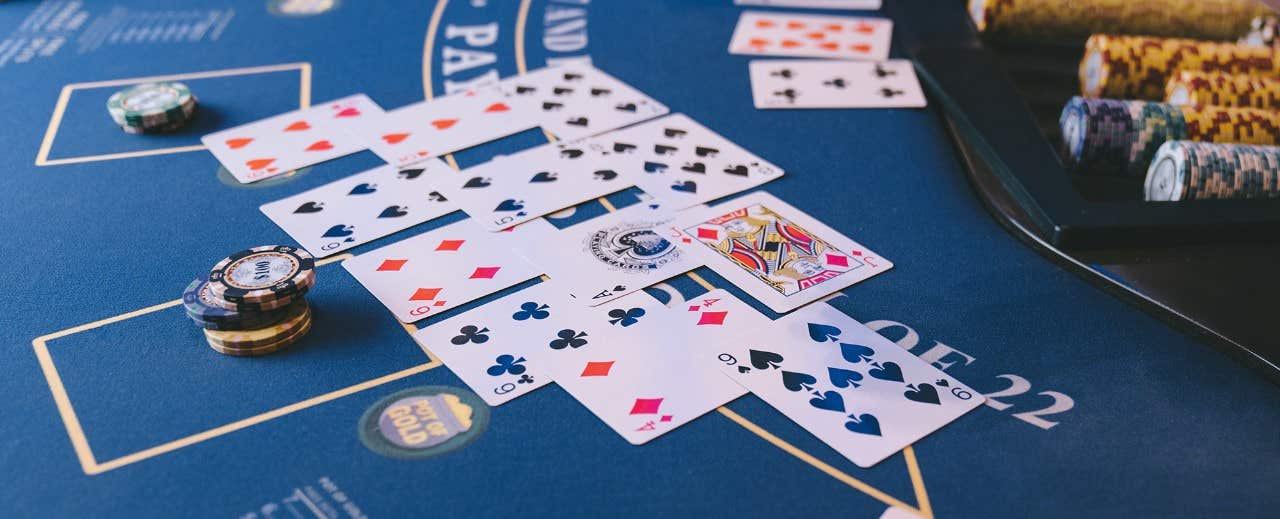
Moreover, the psychological concept known as «variable reinforcement» plays a significant role in gambling habits. Just like in other forms of entertainment, the unpredictable nature of wins and losses keeps players engaged. The possibility of hitting a jackpot or winning a hand can lead to repeated attempts, even when the odds are not in the gambler’s favor. This uncertainty can spark hope, a powerful emotion that often drives individuals to keep betting.
Gamblers often engage in cognitive distortions that help them rationalize their decisions and losses. One common phenomenon is the illusion of control, where players believe they can influence the outcome of games of chance, such as slots or roulette, despite the inherent randomness. This belief can enhance their commitment to gambling, as they feel empowered to affect results that are fundamentally determined by luck.
Another common rationalization is the «gambler’s fallacy,» the belief that past results can influence future outcomes. For example, if a player experiences a series of losses, they may convince themselves that a win is «due» soon. This mindset can lead to chasing losses, where individuals continue to gamble in an effort to recover what they’ve lost, often resulting in greater financial pitfalls.
Social interactions can significantly shape gambling behaviors. Many individuals are drawn to casinos by friends or family, creating a communal experience that reinforces their desire to participate. Social proof, or the tendency to look to others for guidance on how to behave, can lead individuals to view gambling as a socially acceptable activity, further perpetuating their habits.
Moreover, the social environment within casinos can encourage overindulgence. From complimentary drinks to luxurious accommodations, casinos create a welcoming atmosphere that fosters prolonged play and spending. The presence of others celebrating wins can also influence individual behaviors, leading to an increase in gambling intensity and duration as players seek to replicate the excitement they observe.
Emotions play a crucial role in gambling habits. Many gamblers turn to the casino as a form of escapism to cope with stress, anxiety, or other negative feelings. The thrill of gambling can provide a temporary distraction, and the allure of winning can momentarily elevate mood and self-esteem. However, this reliance on gambling for emotional relief can create a cycle of dependency, where individuals rely on the activity to manage their emotions rather than addressing underlying issues.
Additionally, the emotional highs and lows associated with gambling can lead to a rollercoaster effect, where wins provide euphoric highs, while losses can result in deep lows. This emotional volatility can make gambling an addictive behavior, as individuals may chase the highs while ignoring the detrimental impacts of their losses.
Understanding the psychology behind casino gambling habits is crucial for both players and those concerned about gambling addiction. Knowledge of these psychological factors can empower individuals to make informed decisions about their gambling behaviors and seek help if necessary.
For those looking to delve deeper into the world of gambling psychology, there are numerous resources and platforms dedicated to educating the public on safe gambling practices. These insights can help mitigate the risks associated with gambling, ensuring a healthier relationship with this popular pastime. The exploration of various gambling platforms, especially in the context of modern technology, brings forward an array of choices that appeal to the evolving needs of users.

