Bienvenidos a nuestro sitio web
Dirección
Calle 28A #12-30 centro comercial premier (jumbo) local j1022 Girardot Cund.
Horarios de oficina
Lunes a viernes: 7:00AM - 5:30 PM
Sábado: 8:00AM - 12:00PM
Dirección
Calle 28A #12-30 centro comercial premier (jumbo) local j1022 Girardot Cund.
Horarios de oficina
Lunes a viernes: 7:00AM - 5:30 PM
Sábado: 8:00AM - 12:00PM

Its elitist position allows for easy access from all sections of the city. As a matter of fact, a lot of tourists want to know, “Where is Lodhi garden located? In winter, the sunrise along with sunset makes the monuments look extremely photogenic and beautiful for a camera. The stonework perfectly Lodhi Garden integrates with the rest of the garden transforming the area into a masterpiece. It is surrounded by a lush enclosure and reflects the style of Afghan architecture. This is a more modern structure relative to the others, seeing that it was built in 1517.

It stands gracefully over a small water channel inside the garden. Athpula Bridge is an elegant Mughal-era bridge built during Emperor Akbar’s reign. The blue tile decoration remnants make it architecturally fascinating. Shish Gumbad, meaning “Glass Dome,” is another striking monument in the park.
Yes, Lodhi Garden is generally considered safe for couples. Yes, Lodhi Garden of Delhi is open all 7 days of the week. From there, you can easily walk to the Lodhi Garden or take an Auto Rickshaw. Lodhi Garden is located at Lodhi Road, Lodhi Estate, New Delhi.
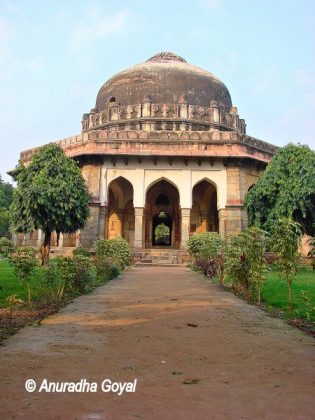
Originally the gardens were called Lady Willingdon Park, but after independence the name was changed to Lodhi Garden. Originally, the land that Lodhi Garden is on was part of a royal burial ground with many tombs. Even Delhiites, who are used to seeing tombs and historic ruins everywhere, love this park.
Apart from the lush greenery that pulls in travellers, there is Athpula Bridge built in the 16th century and National Bonsai Park which are some other major attractions of Lodhi Garden. The garden was named Lady Willingdon Park before Indian independence and was later renamed as the Lodhi Gardens. The gardens has become a hotspot destination for both morning and evening joggers. The Sheesh Gumbad or the Glazed Dome was built around the same time but is smaller in size. The tomb of Mohammed Shah, the last of the Sayyid rulers was built in 1444 by Ala-ud-din Alam Shah to pay a tribute to Muhammed Shah.
In the middle of Delhi, Lodhi Garden is a quiet place that both locals and foreigners like to visit. Lodhi Gardens is being kept in good shape to keep its historical and natural importance. Guides who know a lot about the garden’s history can tell you about its past, which adds to the experience.
The Bara Gumbad, a huge rubble dome, is located centrally in the Delhi Lodhi Garden. The tomb’s main complex is octagonal, with a central dome adorned with three arches, verandahs, and old defensive features. His mausoleum is built with a mix of Hindu symbolism and Islamic motifs. The building here is a blend of Sayyid and Lodhi architecture. More than a dozen magnificent Mughal structures from the 15th century may be seen inside the Lodhi Garden. Initially named after Lady Wellington, the Lodhi Garden was created to conserve and maintain the Lodi-era graves as a tourist spot.
You can also visit the Delhi Bird Club, which organizes regular walks and events at Lodhi Gardens. Lodhi Gardens is not only a historical and cultural site, but also a recreational and educational one. There is no entry fee or camera fee for visiting Lodhi Garden. You can park your car at the parking lot near the entrance of Lodhi Garden. The nearest metro station to Lodhi Garden is Jor Bagh Metro Station, which is on the Yellow Line. It has no tomb underneath it, but it may have been built as a gateway or a memorial.
The gardens showcase an impressive collection of plants adapted to Delhi's climate, including both native species and carefully selected exotic varieties. Water features throughout the gardens, including ponds and fountains, provide focal points and create cooling microclimates that enhance comfort during Delhi's hot seasons. The gardens feature a mix of open lawns, tree-lined pathways, formal flowerbeds, and naturalistic plantings that create varied experiences within the overall unity of the design. Lodhi Gardens exemplifies thoughtful landscape architecture that balances formal design elements with natural beauty. This tomb, dating from the Lodhi period, demonstrates the experimental nature of the era's architecture, with craftsmen exploring different materials and decorative techniques.
This is where Lodhi Gardens, also known as Lodi Gardens, started. The garden is favored for cultural events, jogging, and picnics. They have set aside a small park area for the National Bonsai Park. The Archaeological Survey of India takes care of the garden at the moment. Along with mausoleums and other buildings from the 1400s, this park is home to more than 50 types of bugs, birds, and more than 100 types of trees. It is a must-visit place during the DELHI TOUR PACKAGE.

